

Redefining the Disney Difference at a Family-Run Park in Germany: What Europa-Park Gets Right (Part 3)
How one independent park built a better guest experience through math, momentum, and constant reinvestment.

Introduction — The Park That Quietly Outperforms the Giants
The most famous theme parks in the world are, of course, Disney’s castle parks. Disneyland is beloved, yet it’s Magic Kingdom in Orlando that has held the crown as the world’s most visited theme park for decades.
But last month, Europa-Park once again disrupted that narrative — winning the Golden Ticket Award for “Best Theme Park in the World” for the tenth time, along with a host of other accolades.
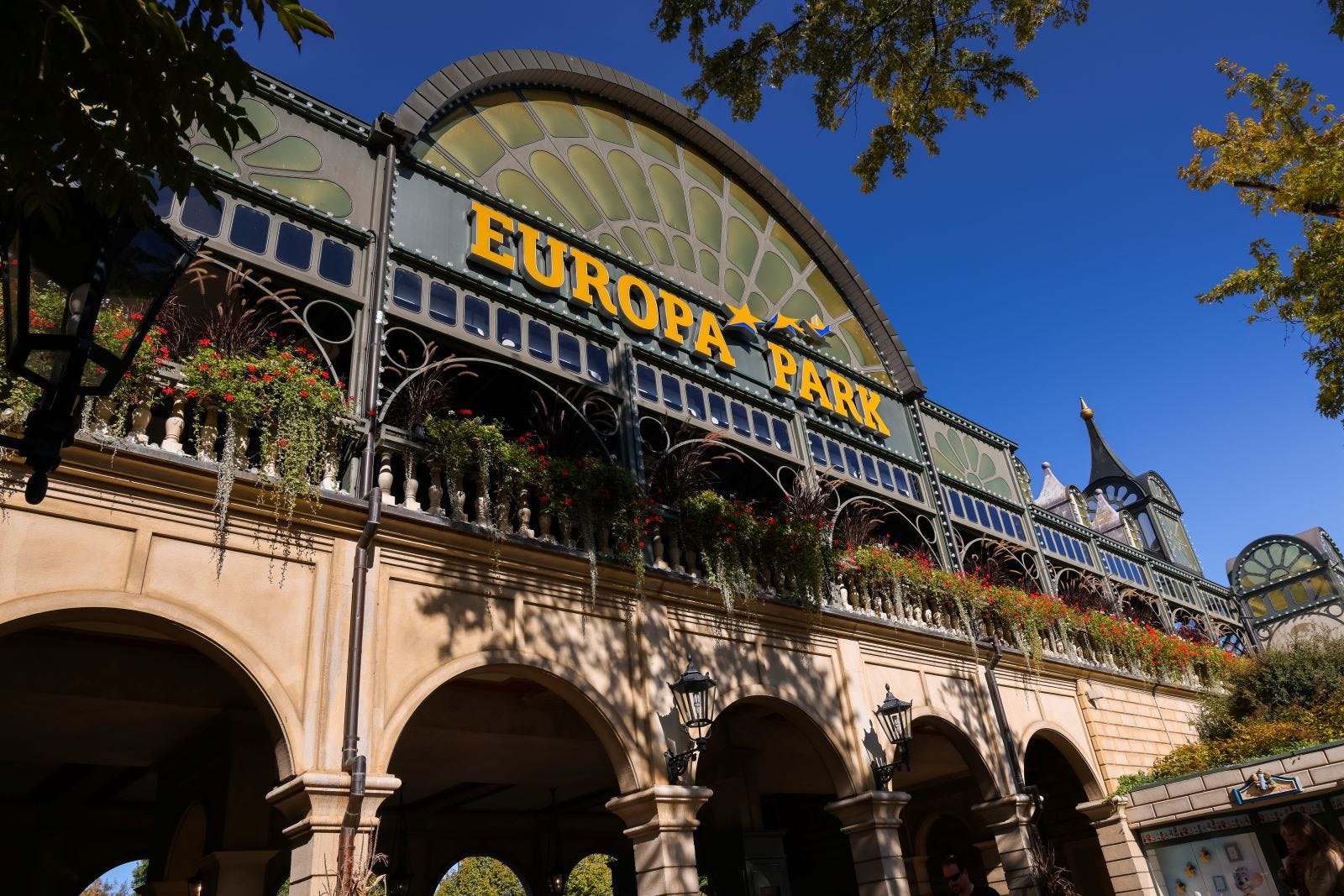
This is the park without billion-dollar IPs or cinematic “lands.” Yet year after year, Europa-Park ranks among the best on Earth — often ahead of Disney and Universal in guest satisfaction and industry recognition.
According to the 2023 TEA/AECOM Global Attractions Attendance Report, Magic Kingdom welcomed 17.72 million guests, while Europa-Park drew 6 million — an 11% increase over 2022. Despite hosting only a third of Magic Kingdom’s attendance, Europa-Park offers far greater total ride capacity and shorter waits.
That paradox — more capacity, fewer crowds, happier guests — is the story this article explores. I am going to try and objectively analyse how can a park so efficient, innovative, and beloved still fly under the global radar.
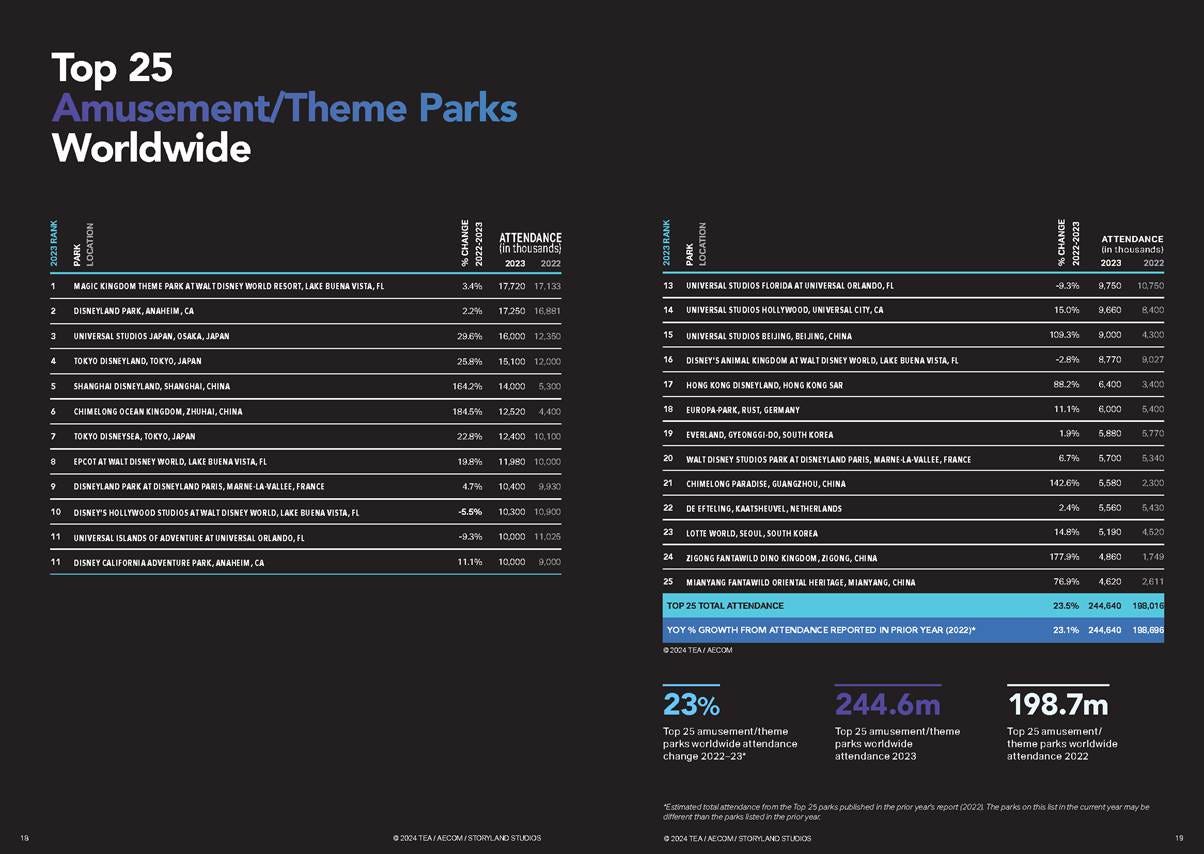
The Numbers Game – Size, Capacity, and rides
It’s generally considered in the Theme park community that Park size is directly proportional to enjoyment factor – considering theme park rides are generally universally the same size and a big park can contain more rides. It’s a logical step than a park with few rides reduces options for theme park goers
So if we are going to compare Europa to Magic Kingdom we need to explore how they stack up against each other.
Size:
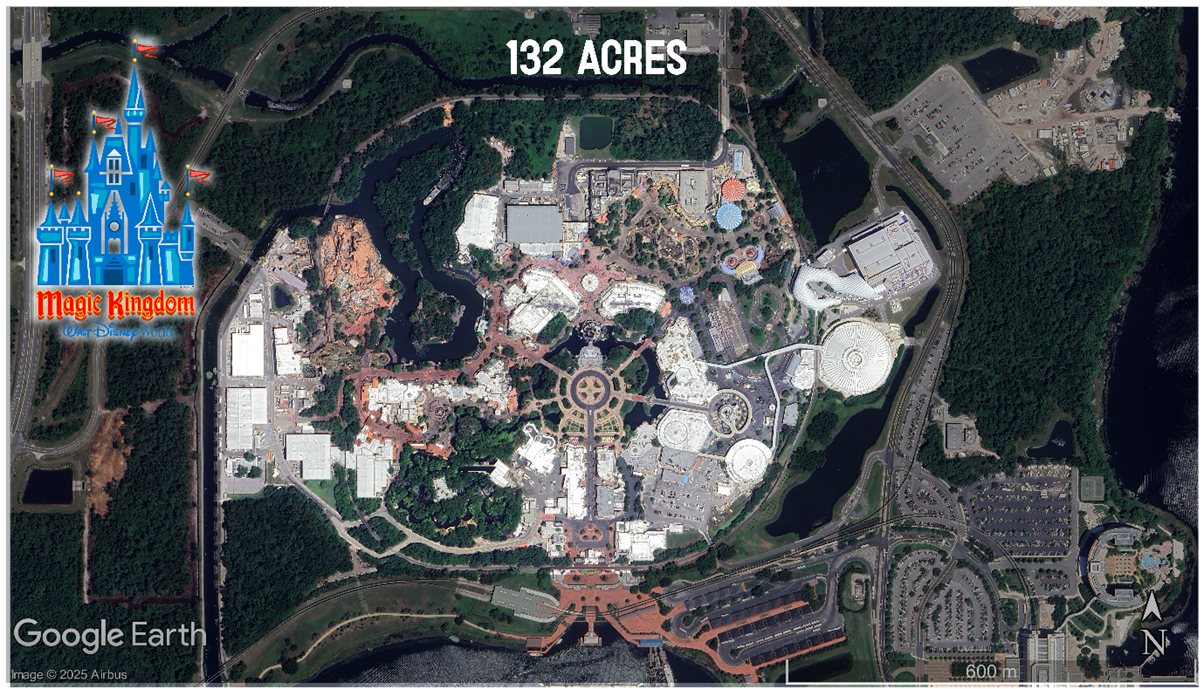
We can see that Magic Kingdom is around 23 acres larger than Europa Park, common sense dictates than it would have more rides and attractions – however, that’s not the case:
Magic Kingdom Park is around 131 acres.
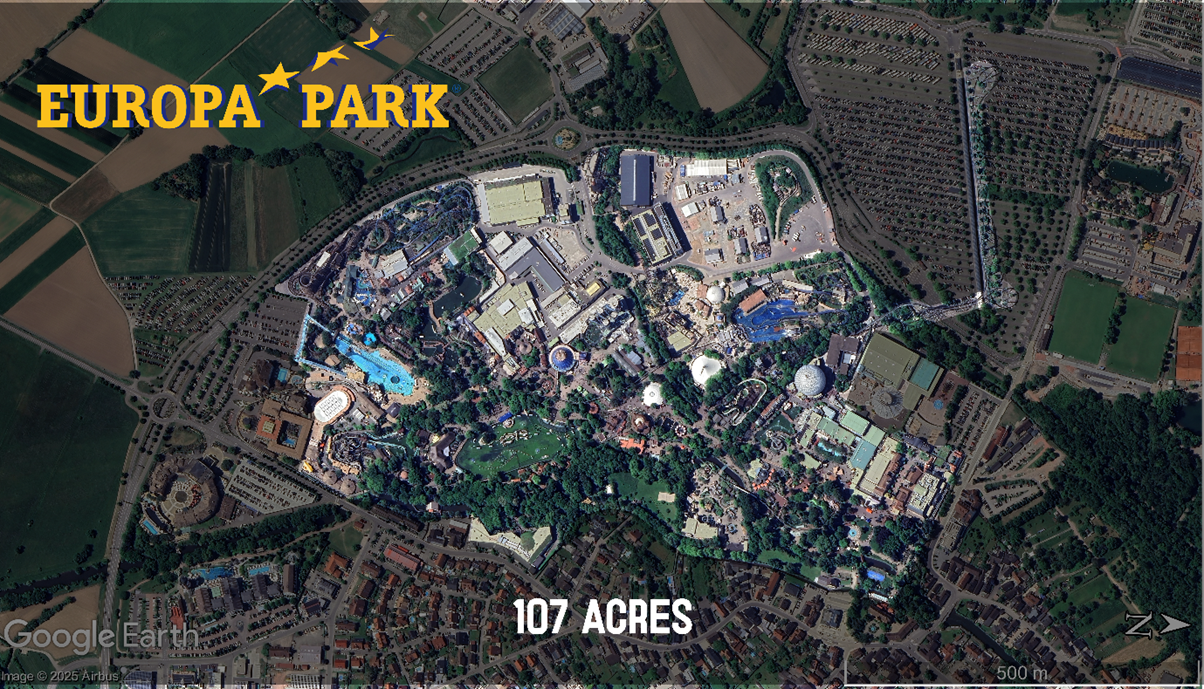
Europa-Park has a footprint of around 107 acres.
Max Capacity (estimated):
Magic Kingdom Park: 85,000
Europa Park: 60,000
Average daily attendance based on TEA numbers (2023):
Magic Kingdom: 48,535 visitors/day
Europa Park: 16,440 visitors/day
Therefore Europa sees around 28% of its maximum visitors on average per day, whereas Magic Kingdom sees around 57% of its maximum visitors on average.
What we can conclude anecdotally from this information is that Europa is a smaller Park and has smaller capacity and sees on average around 1/3 of the amount of average visitors as Magic Kingdom. Immediately that tells us, that Europa feels less busy than MK. Less people spread out over a park that is larger.
How do the parks stack up against each other for rides and attractions?
Firstly, Europa has significantly more lands than Magic Kingdom, it is worth remembering that Europa has the concept that Epcot’s World Showcase was supposed to have. However, Europa has never waited for a country to sponsor and curate what their land will contain which means the park has continued to add lands over the years.
This is very much a subjective point of superiority over MK, However, I’m sure having over three times as many themed lands would be considered by even the most seasoned Disney fan as something that is attractive to any park. Can you imagine the chaos (and cost) of drinking around World Showcase with 16 countries to visit??
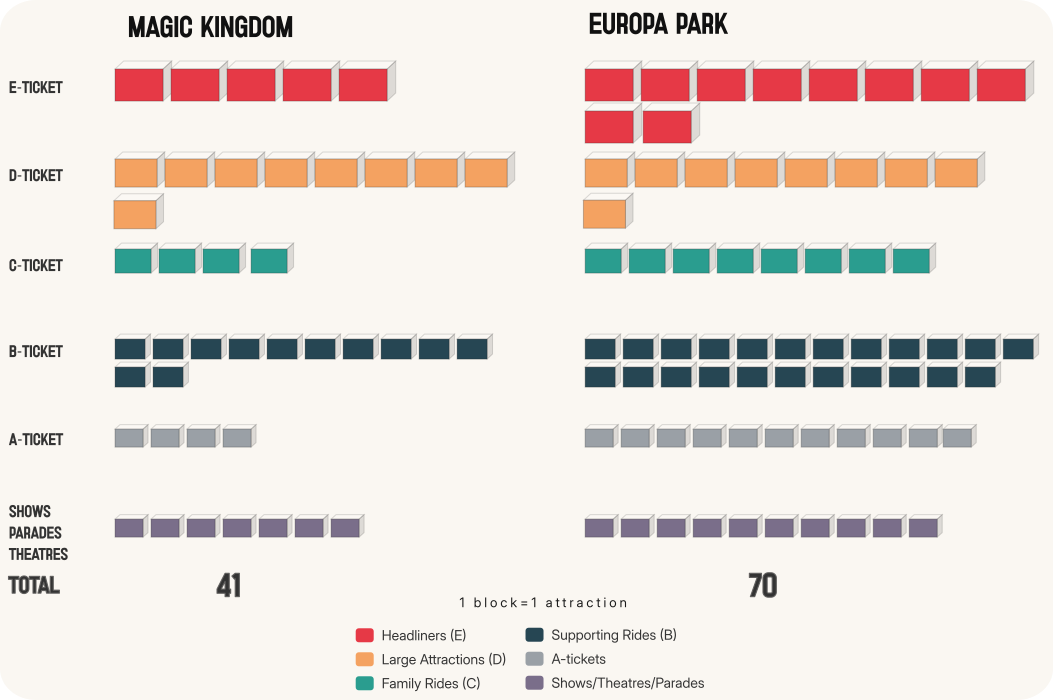
For a full breakdown of what rides fit into what categories and their hourly capacities (pdf download) click here
You can see that in every category matches or beats Magic Kingdom for numbers of rides in the same category. Europa has 70% more rides than the Magic Kingdom
The standard of theming, food & beverage options, customer service is equitable. Both make an effort in these areas, both use the same organizations to plan and design these etc.. With no discernible difference between the two, these factors can largely be ignored when comparing.
Honourable mention goes to the sheer number of shows, parades, “daytime activations” to use Josh D’Amaro-speak, and theatre experiences Europa offers. Disney and MK is famous for this no expense spared attitude, yet Europa still offers more.
Having 10 headline rides in a theme park as opposed to 5 reduces the burden on any particular ride if they experience downtime or require routine maintenance. Anyone that has been to Magic Kingdom in recent years has experienced what impact having one of these rides closed has on the park. The only area in which MK has parity with Europa’s line up is within it’s D-ticket Ride tier – 9 for both parks gives many the choice they deserve.
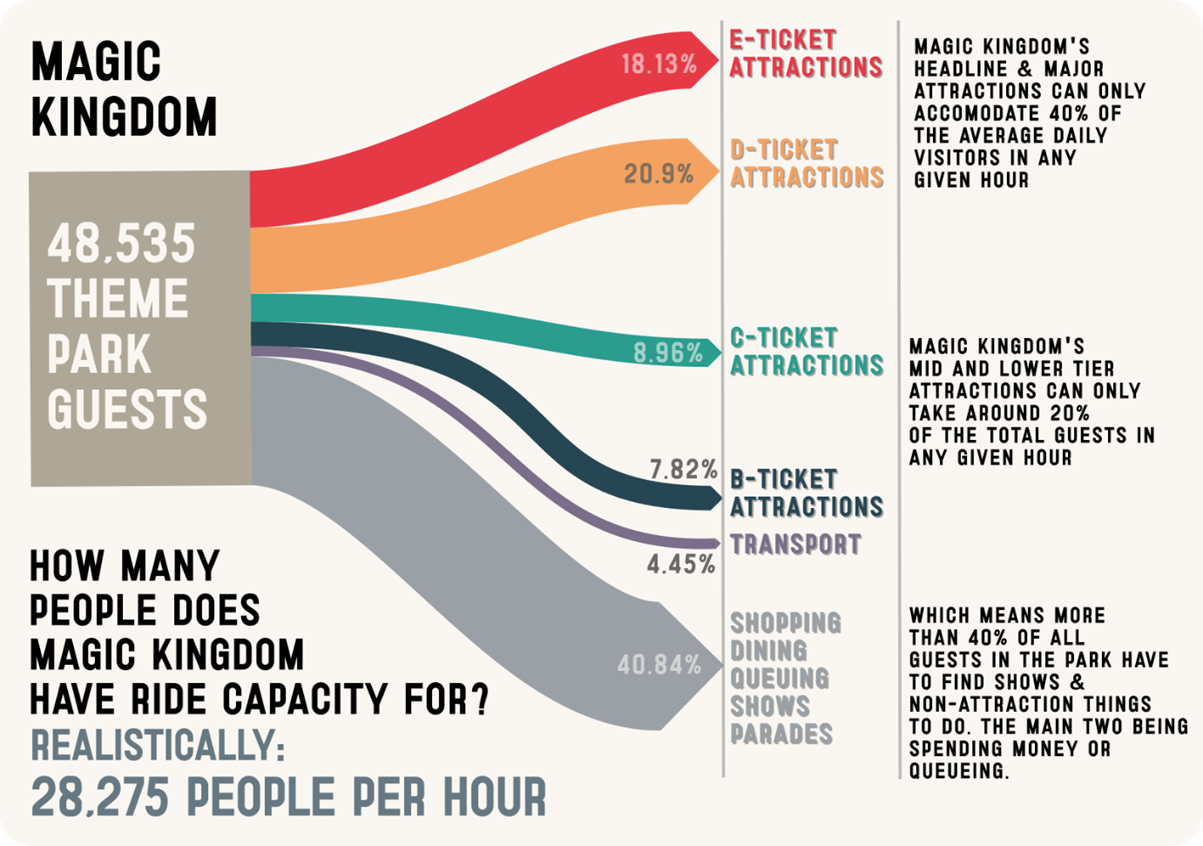
In the chart below you can see how Disney relies the on 14 of its 40 attractions to accommodate 2 fifths of all the visitors in the park. You can see how even one ride experiencing downtime can cause major problems for a park with a capacity deficit. Now think about when a ride goes down for extended maintenance or replacement.
Where Europa has the advantage on Magic Kingdom is the number of rides in the C to A-ticket category- they have double the amount.
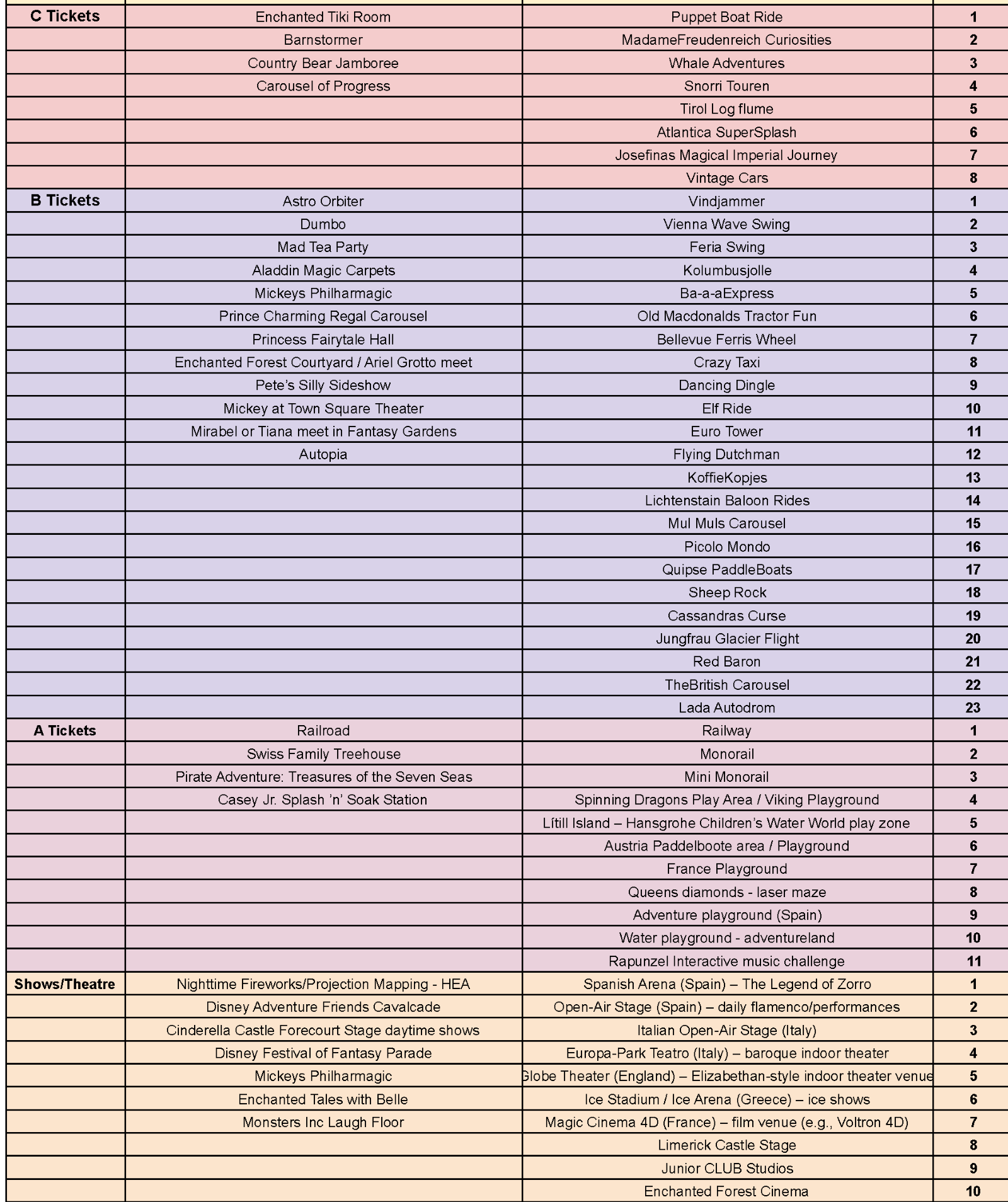
We can define the rides in these categories as not necessarily things that have mass appeal, perhaps they are specifically geared towards much younger children, maybe they are shorter experiences, are much more niche in their theming. What we do know is the following:
· They take up less room.
· They cost considerably less to build.
· They take much less time to build.
· They do not necessarily generate income from Jump the line products because they don’t have room to offer this service.
· Their wait times maybe longer when there are not many of them in the park.
· When you have ample amounts such as Europa Park does- they become walk-on or have consistently low wait times.
· They cost less to operate, and require fewer ride operators, if any at all (e.g. playgrounds).
These rides act like a sponge for crowds at Europa, you walk around the park, and casually see a very low wait time for one of these and join the queue. There are so many that, the short-lived experience of a smaller ride is offset by not having to wait. I may not want to ride every single of these because many may not interest me, but having a smorgasbord of smaller attractions means you are pleasing everyone in all categories. Many of these rides are suitable for smaller children and older people – meaning the entire family can ride together.
Let’s look at how this ride count affects someone’s day.
Capacity isn’t an abstract metric; it’s the hidden architecture of guest happiness. It dictates how long you wait, how much you spend, and how often you ride.
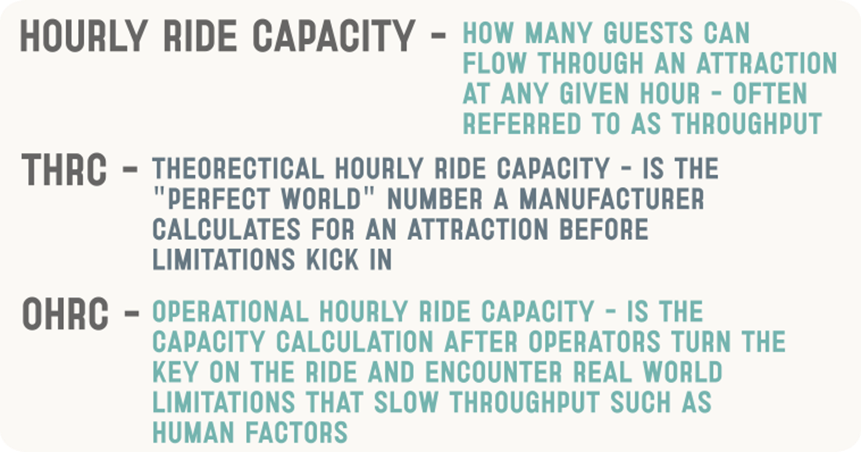
Let’s first examine THRC for both parks. It’s important to state that none of this considers downtime for rides, or the reality that most Disney parks have much longer opening hours and are open 365 days a year, whereas Europa closes for around 12 weeks a year. However, even if Europa was working to the same operational demands as Disney, and performed scheduled maintenance throughout the year, you will see it would still have the advantage, see below:
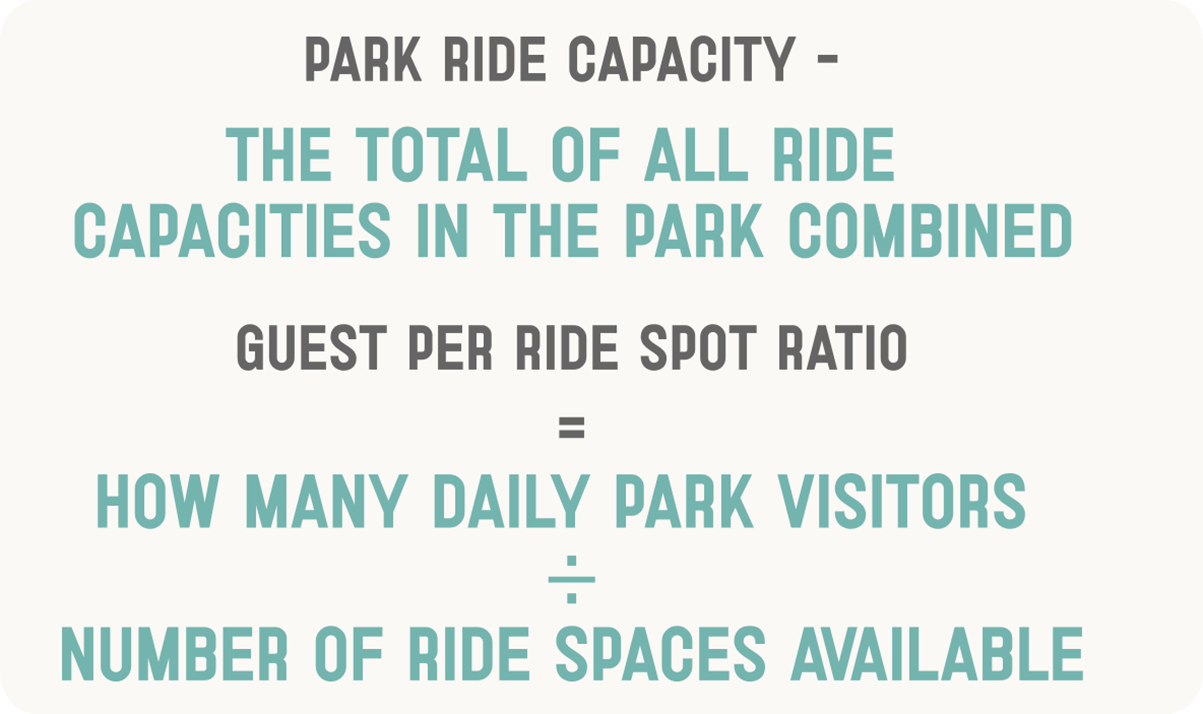
Looking at THRC for both parks:
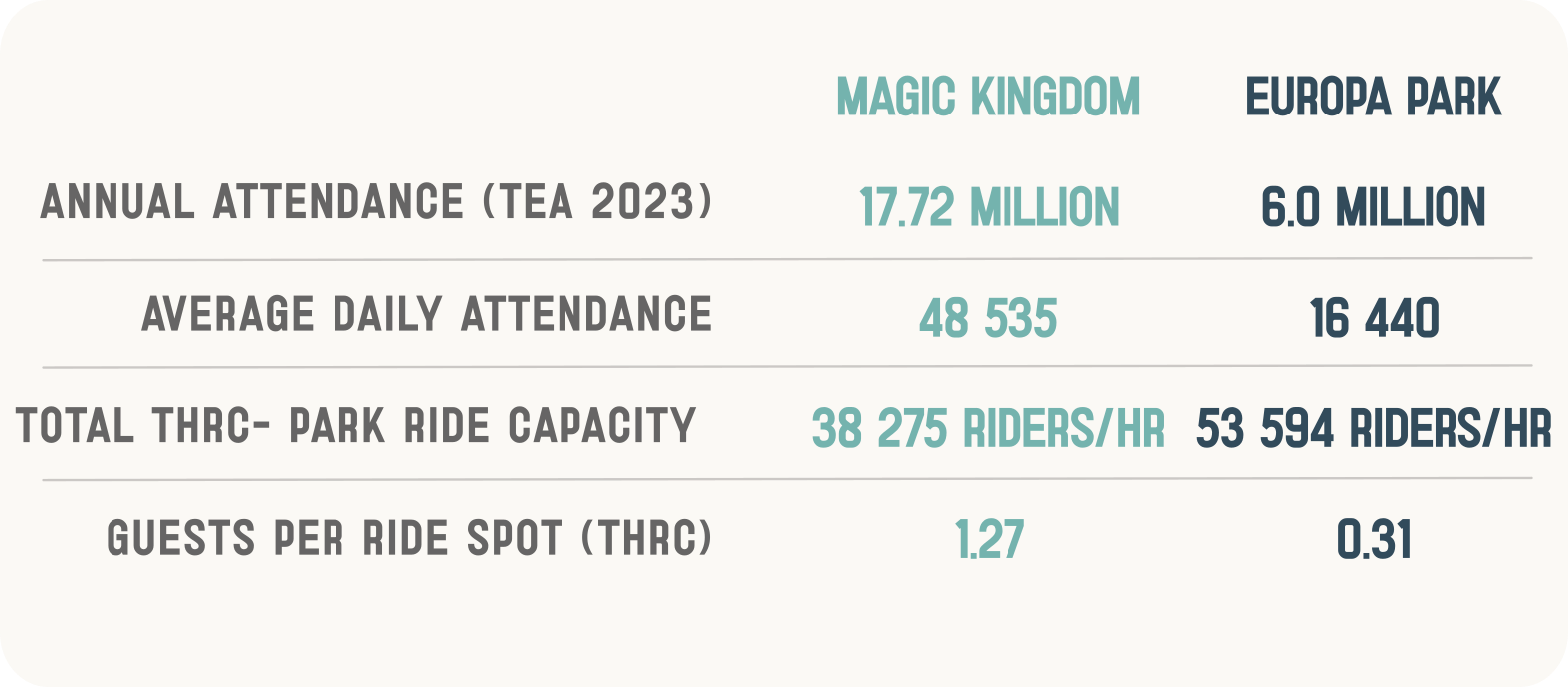
At full theoretical throughput or “best case” scenario, Magic Kingdom already operates at a capacity deficit — nearly 40 percent more guests than available hourly ride seats. Europa Park, by contrast, runs with a huge surplus.
If both parks have an Operational Hourly Ride Capacity that’s around 75% of THRC we end up with this:
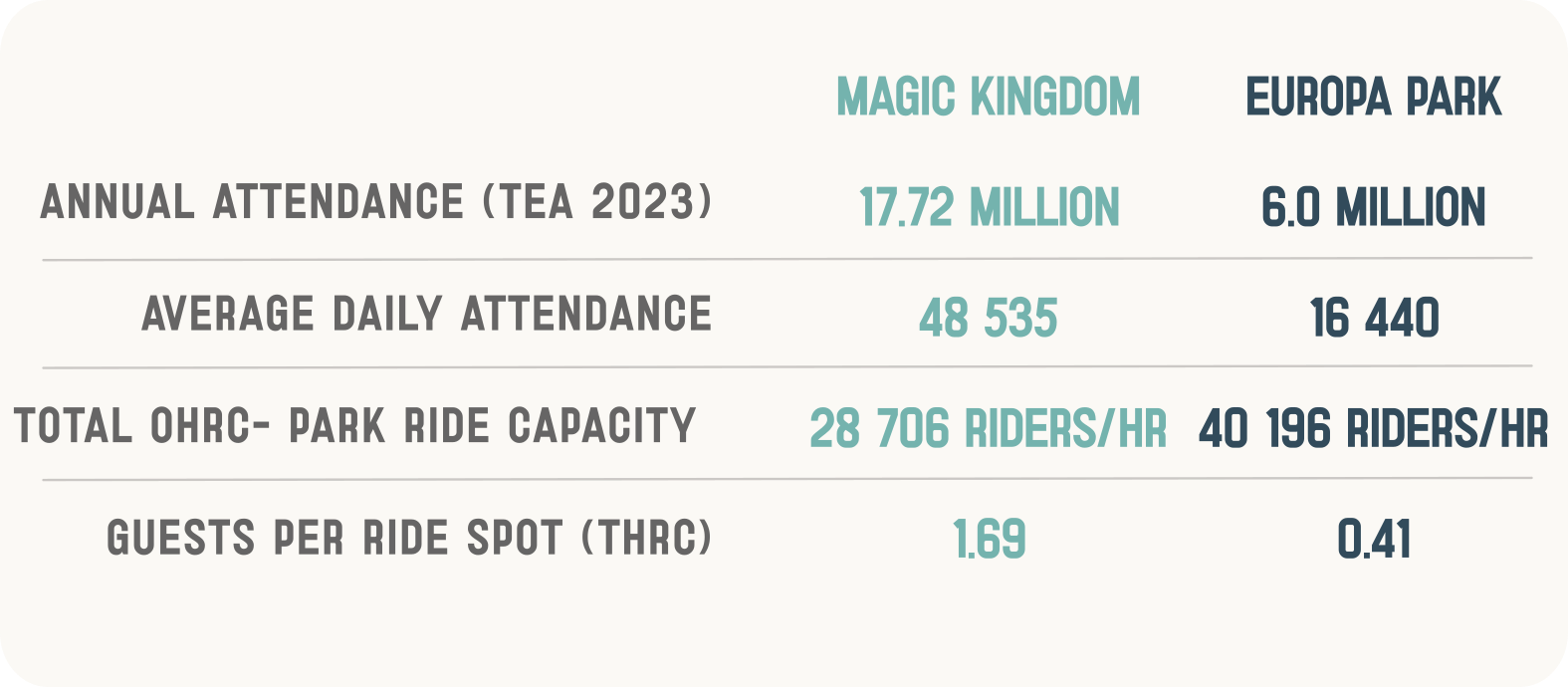
Magic Kingdom: Still operates with a heavy capacity deficit — nearly two guests per available seat.
Europa Park: Even at identical operational efficiency, retains a massive surplus — roughly two-and-a-half ride seats available per guest.
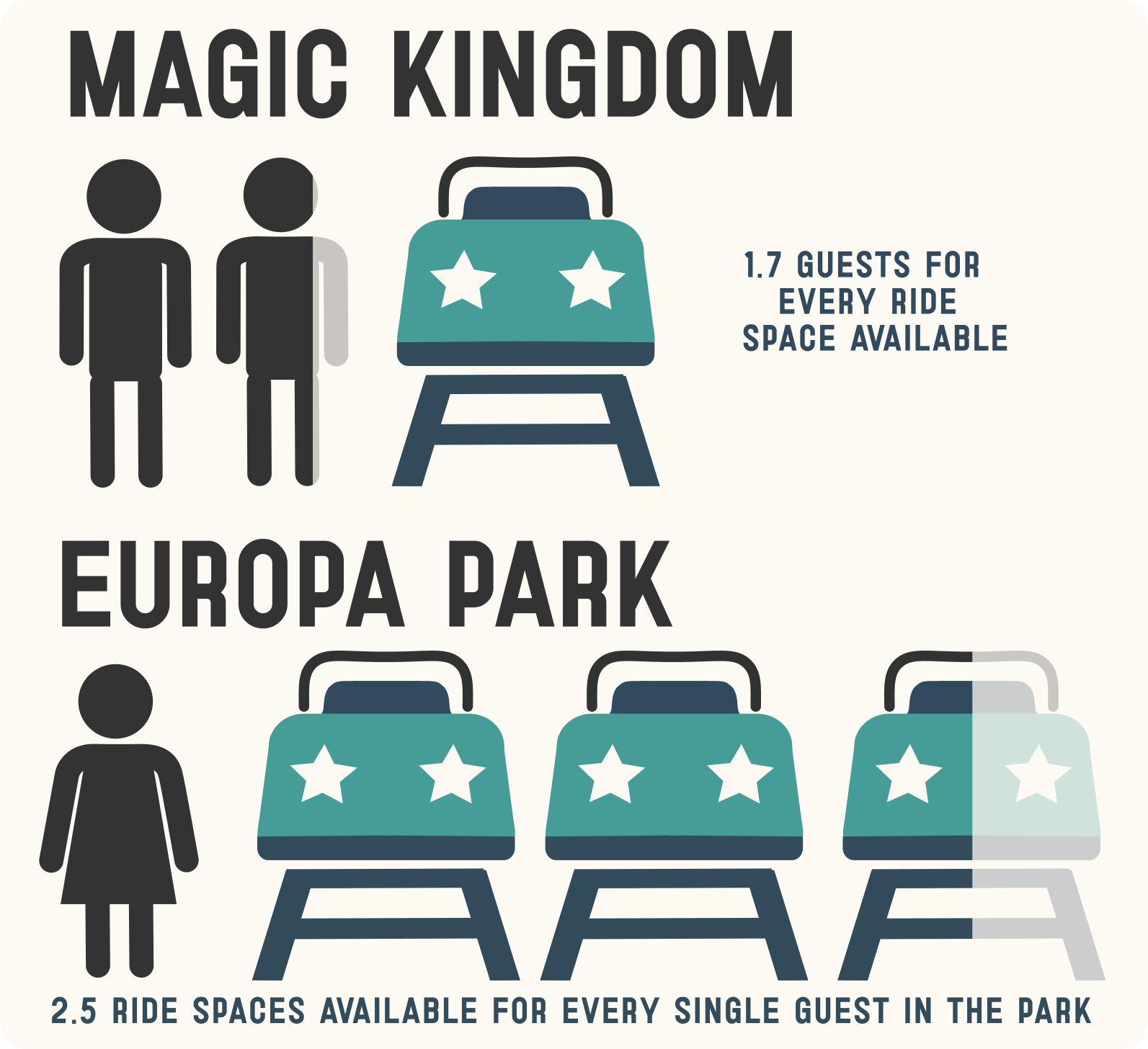
This is data that cannot be ignored, you don’t have to be data scientists like Touring Plans to know at Magic Kingdom the majority of the time you are competing with another guest to get on rides, which translates to waiting longer or paying for lightning land - either your wallet or experience suffers.
At Europa Park, people still queue, but no ride – even the most popular Voltron- suffers from excessive waiting times. On my three trips to Europa, no ride wait time ever exceeded 60 minutes. Even if a ride did have a longer wait time, a guest knows there’s plenty of other rides they can get on much sooner.
Theme Park guest experience is greatly improved with choice.
”But Tommy Europa clearly doesn’t get the same number of visitors as Magic Kingdom, of course its better”
Let’s apply a simple thought experiment.
If Europa-Park were suddenly flooded with the same average daily attendance as Magic Kingdom — around 48,500 guests per day — its infrastructure would still hold up remarkably well. Based on Europa’s operational hourly ride capacity total (OHRC), roughly 82% of guests would have a ride seat available at any given time.
In other words, even if you transplanted Magic Kingdom’s crowd levels directly into Europa-Park, four out of five visitors could be riding something right now. By contrast, at Magic Kingdom’s current ratios, only about half of guests can be accommodated on rides at once — the rest are waiting, shopping, or eating.
That’s the power of capacity equity: a park designed for more experiences than people.
Build Broad, Not Big — The Capacity Philosophy
The 2024 TEA/AECOM report notes that “parks that invested regularly throughout the pandemic years performed better over time.”
Europa Park is a masterclass in that philosophy.
Every season brings something. Not every addition dominates headlines individually, but together they keep the park’s infrastructure expanding. In a 12-month period Europa added a World leader E-ticket rollercoaster with Voltron, but also added a family-friendly Midway Mania style shooter ride.
Magic Kingdom follows a different rhythm — massive E-ticket openings every half-decade – if we are lucky. TRON Lightcycle / Run added just 1 680 riders per hour (THRC) to a park that already welcomes 50 000 guests a day. Each addition helps, but never enough to keep pace with demand - one net additional in 20 years does not push the needle. That ride opened in 2023 – It has been speculated that Piston Peak will not open until 2028 or 2029. Disney historically chose to replace and refresh rather than add rides. In the next five years, we will only see a net addition at all 4 parks with Monsters Inc Door Coaster, Guests will not reap the benefits of ride capacity at Magic Kingdom until Villains land opens potentially in 2030 - even then, it is rumoured to be only 2 rides.
Disney builds events.
Europa builds systems.
The Guest Experience Equation
TEA/AECOM highlights a clear trend: per-capita spending has risen even as U.S. attendance flattened. That’s corporate shorthand for fewer rides, higher prices. We have only just seen a CAPEX expenditure rise at US Disney Parks – this should come with a caveat that we have seen Disney look to lower OPEX and strip perks to offset this e.g. Disneyland Hotel Early entry removed.
Magic Kingdom’s crowd management now depends on pay-to-skip systems and paid digital reservations. It’s infrastructure hasn’t fundamentally expanded since the 1980s; the park is simply better at rationing access.
Europa Park, meanwhile, runs almost friction-free. Shorter rides, smaller ops teams, and continuous-load systems keep lines moving. Downtime is minimal — even the newest E-tickets like Voltron Nevera stay remarkably consistent.
At Disney, guests buy time.
At Europa, they spend it.
We can talk about what Disney has done historically to mitigate this problem using Fast Pass, After Hours events and what it would take to “fix” it long-term but that is best left for another time.
Singles and Doubles — A Lost Philosophy
Through writing this article, I’m reminded of Michael Eisner and Jeffrey Katzenberg’s philosophy of “singles and doubles.”
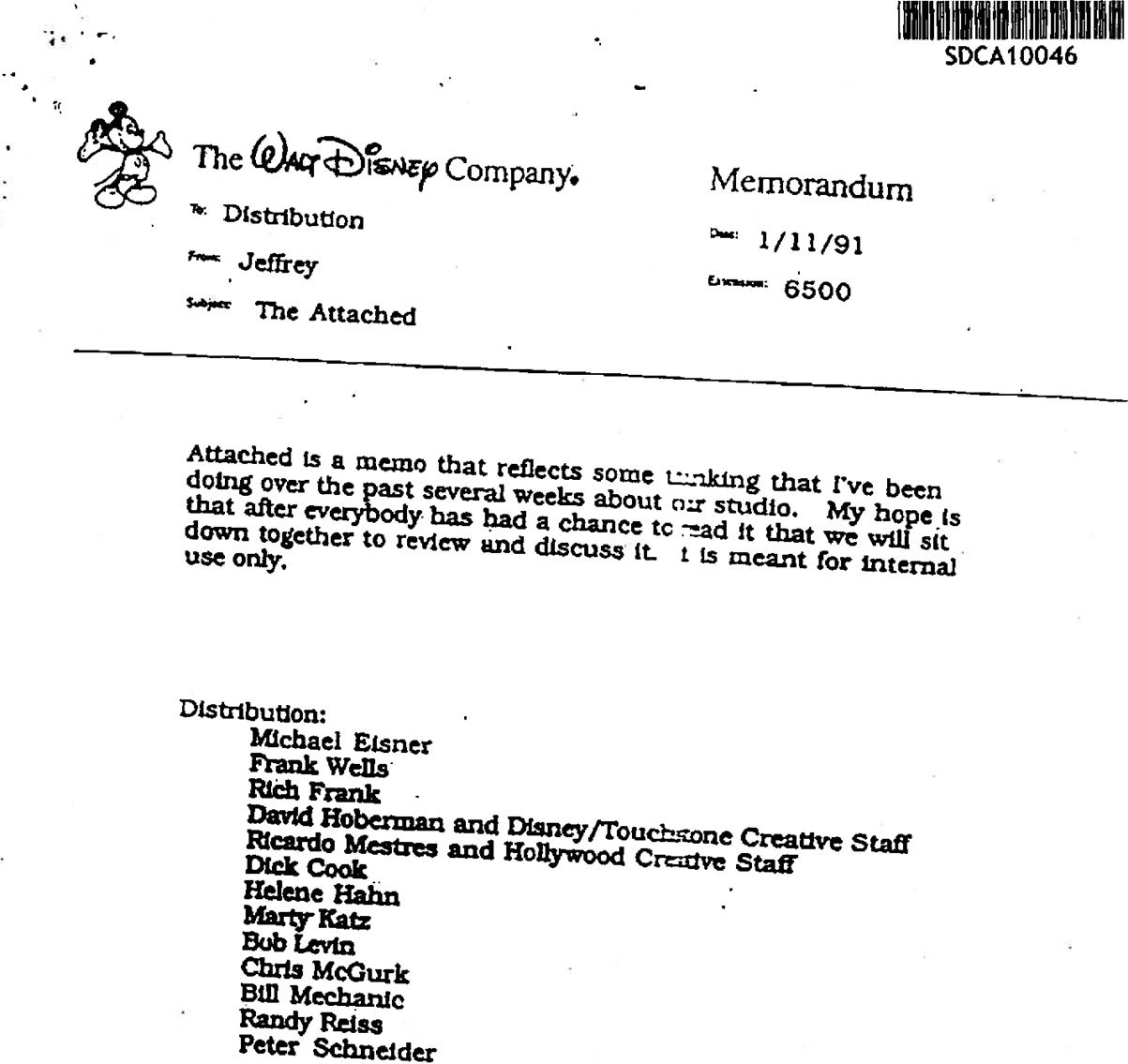
The phrase originated not in Imagineering, but in the film studio. In 1991 Katzenberg, then chairman of Walt Disney Studios, wrote a now-famous memo titled “The World Is Changing.” In it he warned that Hollywood’s obsession with chasing “home runs” — the one big blockbuster that covers all bets — was risky and unsustainable. His solution was a steadier rhythm: release a constant stream of moderate hits, singles and doubles, that together build a reliable, profitable catalogue. Eisner backed the principle at the time, and for a while it defined Disney’s creative culture.
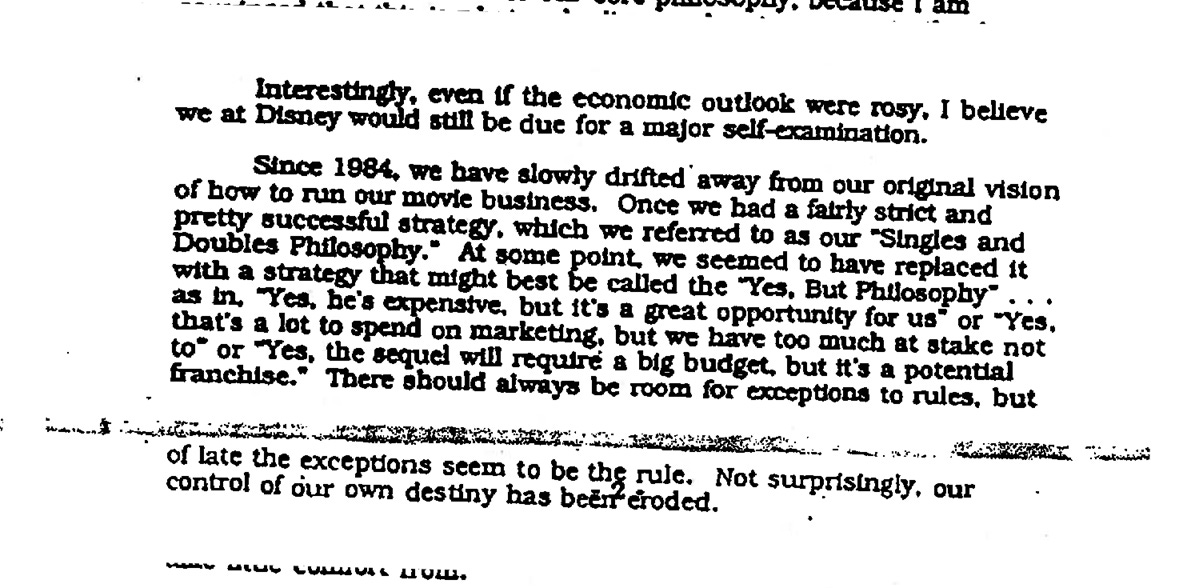
Over the decades that followed, that culture of self-examination eroded. Under Michael Eisner then Bob Iger, Disney shifted toward fewer, bigger bets — buying Pixar, Marvel, and Lucasfilm and funnelling investment into tent-pole projects designed to dominate globally.
That mindset extended into the parks: chasing blockbuster attractions with long gaps between headline E-tickets, fewer mid-scale attractions, and a creative ecosystem built around synergy rather than momentum. Up until around a year ago, Disney felt all they had to do was rotate one of the four parks with a singular event attraction at WDW, before moving on to the next park. Yes, generally E-ticket rides do offer reasonably higher capacity than lower tier rides, but they are also the rides that almost everybody wants to ride.
Meanwhile, Europa Park quietly embodies the original Katzenberg logic. Instead of waiting years for a single spectacle to open, it adds at least one thing new almost every season — not necessarily headline news, but the kind of steady, incremental expansion that keeps capacity growing and regular visitors coming back. It’s a theme-park version of “singles and doubles”: sustainable success through constant movement rather than sporadic spectacle.
One could argue that, now more than ever, Disney would be wise to heed that advice doled out by Katz in 1991.
Freedom from IP — Creative Independence as Strategy
Europa Park’s creative advantage isn’t financial; it’s structural. You could in-fact argue that Europa are at a financial disadvantage compared to the $12BN+ revenue the WDW earns. It’s lands are based on countries, not movie franchises. That means expansion doesn’t require corporate synergy or alignment with all Disney parks — just imagination and engineering. One reasonable criticism that could be fielded at Disney is that they are about as nimble as an oil tanker – nobody can argue that they have some of the most popular and engaging IP in the world but with that comes even higher expectations and the ability to get things wrong like they did with Star Wars Galaxy’s Edge – the result of trying to stick the landing on such huge projects is being slow to deliver anything.
If Mack Rides wants to debut a new coaster, they choose a nation, build a story, and go.
Disney’s process, by contrast, has to justify itself in synergy decks and shareholder calls. The cost of IP control is creative inertia.
Regardless of whether you long for “original” IP in Disney parks, or love the immersive lands of modern day Disney Properties – you can appreciate the pros and cons of business having things that can go into their parks that have instant brand and story recognition.
When we study some of the theme park fundamentals, EPCOT’s World Showcase with is multiple expansion pads should flourished the past 40 years. Instead, Disney hamstrung creativity by electing a business strategy of Nations sponsoring their own pavilions and curating the content – which is why they still have 5 expansion pads sitting idle.
If Europa Park needed a new land for the park, they would choose the country and simply execute that idea — profitably. They need to provide the capital but maintain full creative freedom to execute their vision undiluted.
Sidebar — The Universal Question
While Universal Orlando’s parks each drew around 10 million visitors in 2023, both saw attendance dip by roughly 9 percent. The next big variable in the capacity conversation is Epic Universe, just opened — the first brand-new park Universal has built in Florida in 25 years. Pent up demand from the Pandemic dried up, Capital allocations went to Epic, and guests deferred trips with nothing new in the existing parks in anticipation for the opening.
Universal may be the only operator positioned to challenge both Disney’s scale and Europa’s design logic. But to stay ahead beyond its opening year, it will need to follow Europa’s lead: steady reinvestment, diversified capacity, and a consistent roster of new rides and attractions in all three parks. I will be writing an article to explore the challenges Universal faces and how opening Epic Universe is just the beginning despite the billions of dollars spent.
What Disney Could Learn
TEA/AECOM reports that Disney plans to invest $60 billion in its parks over the next decade — including new lands for Magic Kingdom and Animal Kingdom. Money isn’t the problem. The allocation is.
If even a fraction of that budget went toward capacity equity — dozens of mid-scale rides and people-eaters instead of a few blockbusters — the guest experience curve would bend back upward. Yes adding some new headline attractions and refreshing existing rides is a start. But what if for every E& D ticket built, Disney committed to net gain of 2-3 C-A-ticket rides within the same park.
Europa Park proves that constant, distributed expansion doesn’t just build infrastructure; it builds goodwill.
Because the secret to a happier park day isn’t magic at all —
it’s math. It’s that simple equation have a park big enough to fit a wide variety of things to go into it. Have enough rides and attractions to accommodate all the people that want to come to your park so they leave at the end of the day feeling like they achieved everything they wanted to. If this is what they take home with them, they will return – if all they can remember from their day is queueing and feeling miserable they might well rethink about coming back again in the future.
Europa Park appears to have got the formula correct.
So maybe now we understand why Europa consistently wins awards.
Also, it is beautiful but that’s just my opinion.
Why do you think Disney World gets overlooked for all these awards? Have you been to Europa Park - what was you experience like? Let me know in the comments
Special thanks goes to Len Testa of Touring Plans for assistance writing this article.
Please consider supporting the work I do by buying me a coffee here
Read the next part of this series here:
Your description of Europa brings to mind my experience at Dollywood, which I visited for the first time last year. DW is a beautiful park, and it’s packed with a huge variety of rides, including lots of b/c/d tickets (plus a LOT of other shows and entertainment). My experience is limited in terms of the seasons I visited, but I consistently found the wait times to be really reasonable. Now I really want to find a way to get to Europa someday!
This is a very well written, well researched article. I agree with you 100%. When we went to Europa Park last year (as well as Phantasialand), there were many, many times we kept saying that Disney has a lot to learn from them. Disney is resting on the laurels of their "brand" but that won't last forever.